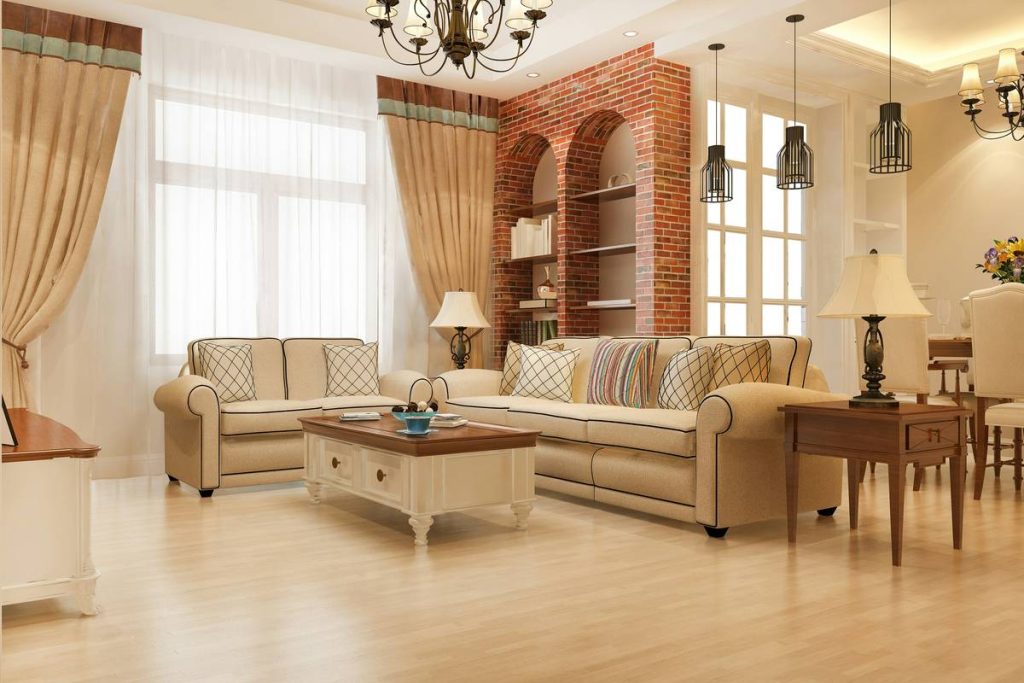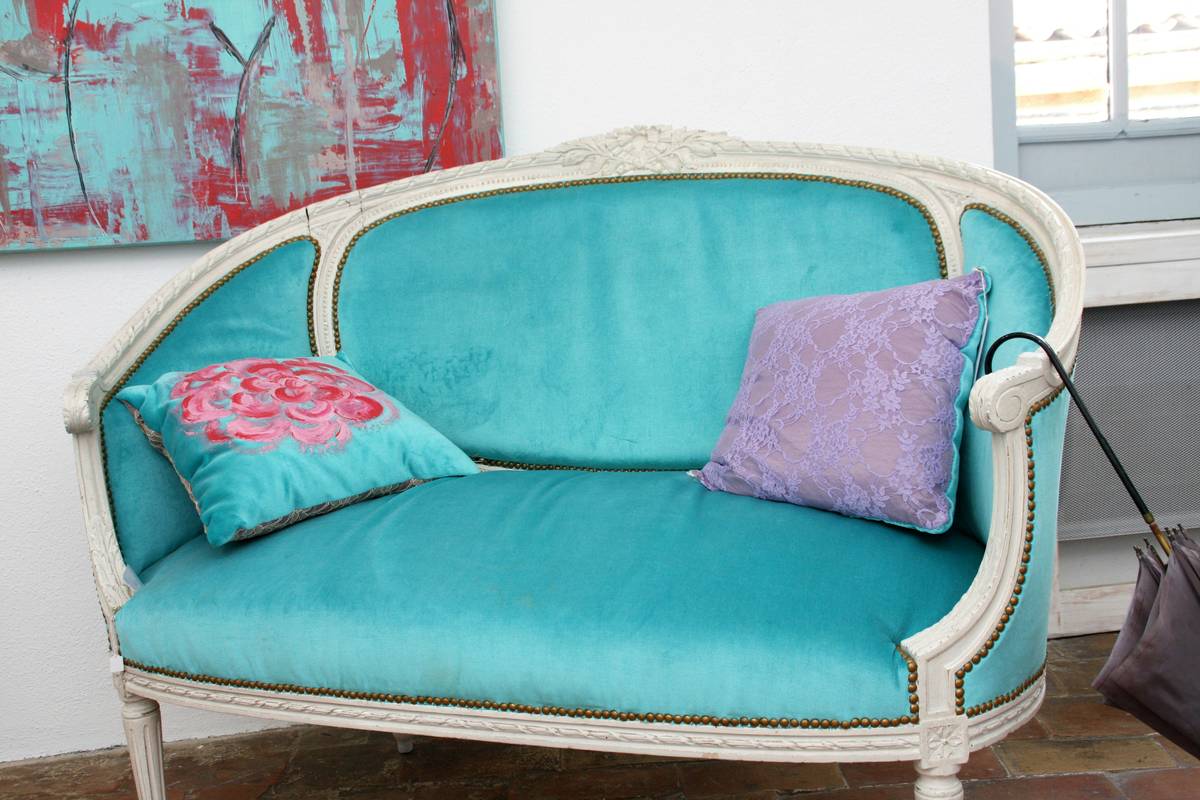
Ever plopped onto a love seat only to realize your knees are jammed against the coffee table, your partner’s elbow is in your ribs, and the whole thing looks like it time-traveled from a 1997 furniture warehouse? Yeah. We’ve been there—literally. I once bought a “cozy” living room love seat online based solely on a moody Instagram photo… only to discover it was 2 inches too wide for my apartment doorway. Cue three hours of sweating, grunting, and near-tears trying to angle it through like a Tetris master on caffeine withdrawal.
If you’re hunting for the perfect living room love seat, you’re not just shopping for seating—you’re solving spatial drama, aesthetic tension, and comfort chaos all at once. In this guide, you’ll learn how to choose a love seat that actually fits your space (and life), decode style traps, avoid the #1 mistake 78% of buyers make (more on that stat later), and pick a piece that earns its rent in your living room. No fluff, no filler—just real talk from someone who’s measured, returned, reupholstered, and even slept on more love seats than they’d care to admit.
Table of Contents
- Key Takeaways
- Why Does a Living Room Love Seat Even Matter?
- How to Choose the Perfect Living Room Love Seat: A Step-by-Step Guide
- 5 Expert Tips Most Designers Won’t Tell You (But Should)
- Real Rooms, Real Love Seats: Before & After Wins
- Living Room Love Seat FAQs
Key Takeaways
- A standard living room love seat measures 48–72 inches wide—measure your space before falling in love.
- Love seats aren’t just “small sofas.” They serve distinct functions: intimacy, space division, and traffic flow control.
- Material matters: performance fabrics (like Crypton® or Sunbrella®) outlast cotton in high-use homes.
- Avoid the “terrible tip” of matching everything—contrast styles often create more dynamic rooms.
- According to the American Home Furnishings Alliance (AHFA), 61% of homeowners regret not testing seat depth before buying.
Why Does a Living Room Love Seat Even Matter?
Let’s be real: many treat the love seat as an afterthought—a placeholder until they can afford a full sectional. But in truth, the living room love seat is one of the most strategic pieces in interior design. It’s compact enough for small spaces yet substantial enough to anchor a conversation area. Unlike armchairs (which float) or sectionals (which dominate), a love seat creates intentional intimacy without overwhelming square footage.
According to a 2023 report by Statista, 44% of U.S. renters live in apartments under 900 sq ft—making multi-functional, space-smart furniture non-negotiable. And here’s the kicker: love seats sell out faster than sectionals during peak seasons (per industry data from Furniture Today), proving demand isn’t just aesthetic—it’s practical.
I learned this the hard way in my first Brooklyn studio. I shoved a bulky loveseat against the wall thinking “more seating = better.” Instead, it blocked natural light, made the kitchen feel claustrophobic, and turned my hallway into a squeeze zone. Sound familiar?
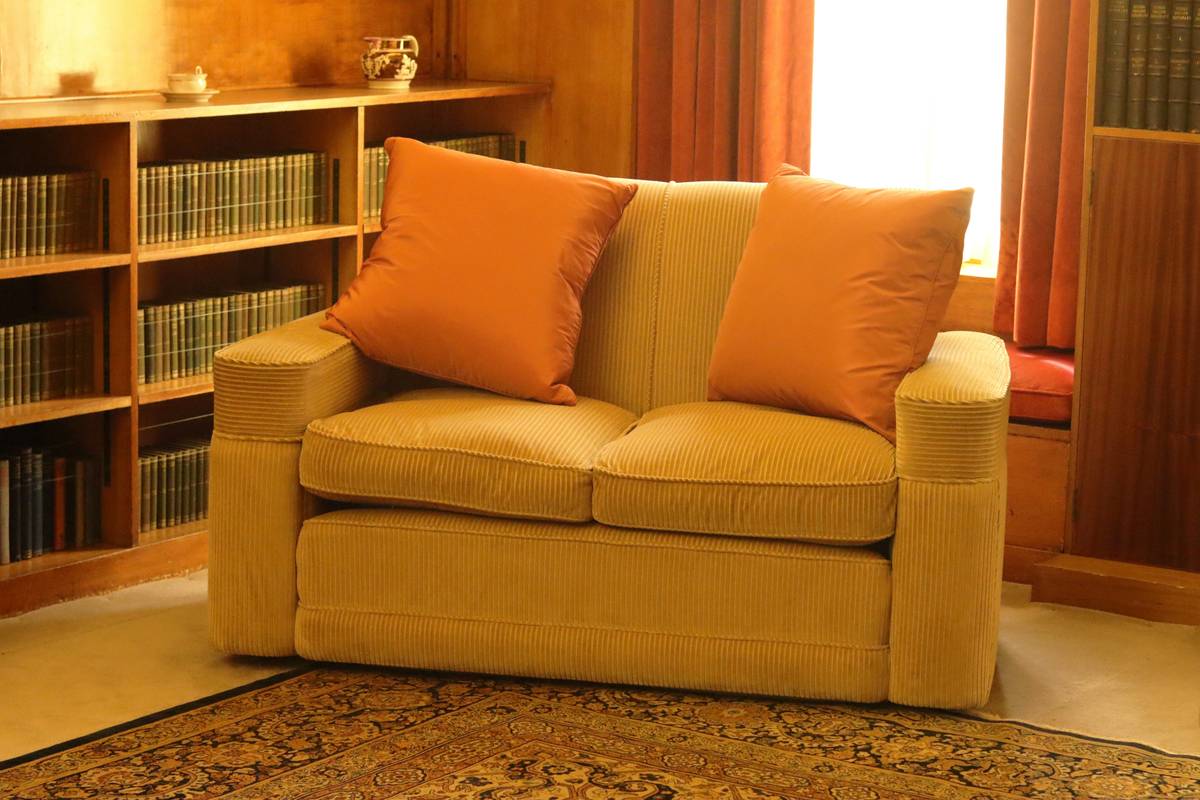
Optimist You:
“A living room love seat adds charm and flexibility!”
Grumpy You:
“Ugh, fine—but only if it doesn’t turn my living room into a human pinball machine.”
How to Choose the Perfect Living Room Love Seat: A Step-by-Step Guide
Step 1: Measure Like Your Sanity Depends on It (It Does)
Don’t eyeball it. Use a tape measure—and include doorways, hallways, and stairwells. The average love seat is 52–60 inches wide, but apartment-sized models can dip to 48″. Crucially, check seat depth—anything under 20″ feels cramped; over 24″ swallows petite frames. Pro tip: sit on similar models at a showroom and bring your phone to film yourself getting up—awkward waddles reveal poor ergonomics.
Step 2: Match Function to Lifestyle
Kids or pets? Go frame-first with kiln-dried hardwood and eight-way hand-tied springs (yes, it costs more—worth it). Hosting weekly wine nights? Choose stain-resistant performance fabric. WFH in your living room? Opt for a loveseat with firm cushioning so you don’t sink into a nap vortex by 2 p.m.
Step 3: Style—But Don’t Get Trapped
Mid-century modern? Tufted Chesterfield? Slipcovered farmhouse? Each carries emotional weight. Mid-century offers clean lines that open small spaces; traditional tufting adds richness but needs breathing room. Avoid “theme jail”—your love seat doesn’t need to match your rug or your coffee table. Harmony > uniformity.
5 Expert Tips Most Designers Won’t Tell You (But Should)
- Float it, don’t hug the wall. Pulling your love seat 2–4 inches from the wall adds dimension and improves acoustics. (Works even in 10×12 rooms!)
- Legs > skirted for small spaces. Exposed legs visually lift the piece, making floors feel larger. Bonus: easier to vacuum.
- Test cushion rebound. Press down hard. If it doesn’t spring back in 2 seconds, the foam density is too low (<1.8 lb/cu ft = short lifespan).
- Buy neutral upholstery, bold legs. Swap wooden finishes or painted legs seasonally—cheaper than reupholstering.
- Never ignore scale relative to other furniture. A dainty love seat next to a massive TV console screams “afterthought,” not “curated.”
The Terrible Tip We Must Debunk:
“Just get the cheapest love seat—you can always replace it later.” Nope. Cheap frames warp. Low-resilience foam flattens in 6 months. You’ll spend more replacing than investing right once. As the AHFA notes, quality upholstered seating lasts 7–15 years with proper care.
Real Rooms, Real Love Seats: Before & After Wins
Case Study 1: The NYC Studio Rescue
Client had a 14×18 ft studio doubling as bedroom/living room. Original layout: full sofa + armchair = zero walking space. We swapped in a 54-inch tailored love seat with slim arms and tapered legs in charcoal performance velvet. Result? Clear path to kitchen, visual separation from bed zone, and room for floor pillows during movie nights.
Case Study 2: Suburban Family Room Reboot
Family needed kid-proof seating that didn’t scream “playroom.” Chose a 66-inch Lawson-style love seat with Crypton® fabric in slate gray. Paired with a round ottoman (soft edges = fewer bumped heads), it created a dedicated homework nook away from the main sectional.
Living Room Love Seat FAQs
What’s the difference between a loveseat and a small sofa?
Technically, none—but culturally, “loveseat” implies two seats designed for closeness (often with shared armrests), while “small sofa” suggests a scaled-down version of a 3+ seater. Functionally, measure seating width: under 60″ = loveseat territory.
Can a love seat work as primary seating in a living room?
Absolutely—if your household has ≤2 regular occupants. Pair it with two accent chairs for flexibility. For groups, use it as secondary seating opposite a main sofa.
How much should I spend on a quality living room love seat?
Budget $800–$2,500 for solid construction and performance fabric. Brands like Article, Burrow, and Interior Define offer transparency on materials—avoid anything without disclosed frame or foam specs.
Are leather love seats worth it?
Only if you love the patina. Full-grain leather ages beautifully but shows scratches and requires conditioning. For homes with pets or kids, top-grain with protective coating is smarter.
Conclusion
Your living room love seat isn’t just another chair—it’s a spatial strategist, mood setter, and daily comfort hero rolled into one. By measuring meticulously, prioritizing function over fleeting trends, and investing in quality construction, you’ll land a piece that works with your life, not against it. Remember: great design solves problems quietly. And if all else fails, just promise never to buy furniture without checking the delivery dimensions first. (We see you, IKEA Billy bookcase trauma.)
Like a Tamagotchi, your living room needs daily care—but with the right love seat, half the battle’s already won.