Ever tried squeezing a full-size sofa into a studio apartment and ended up with zero walking room—and your cat giving you the side-eye from atop your coffee table? Yeah, we’ve been there. That’s when you realize: maybe you don’t need a couch for four… you need a love seat.
If you’ve ever wondered what are love seats, you’re not alone. These compact, two-seater wonders are often misunderstood—mistaken for mini sofas, oversized chairs, or even dating relics from Victorian parlors. But in today’s home design landscape, love seats are having a major moment—especially in small spaces, cozy nooks, and modern modular setups.
In this guide, you’ll discover exactly what defines a love seat (spoiler: it’s not just about romance), how to choose the right style for your space, real-world examples of where they shine, and the one “tip” you should absolutely ignore. Buckle up—this isn’t your grandma’s upholstery lecture.
Table of Contents
- Key Takeaways
- What Is a Love Seat, Really?
- How to Choose the Perfect Love Seat
- Best Practices for Styling a Love Seat
- Real Love Seat Success Stories
- FAQ: What Are Love Seats?
Key Takeaways
- A love seat typically seats two people and measures 48–72 inches wide—ideal for small spaces.
- Despite the name, love seats aren’t just for couples—they’re functional, space-saving seating solutions.
- Styles range from mid-century modern to tufted Chesterfield; fabric, frame, and legs define character.
- Love seats work beautifully in apartments, reading corners, entryways, and as accent seating in larger rooms.
- Avoid the #1 mistake: buying one based on looks alone without measuring your space first.
What Is a Love Seat, Really?
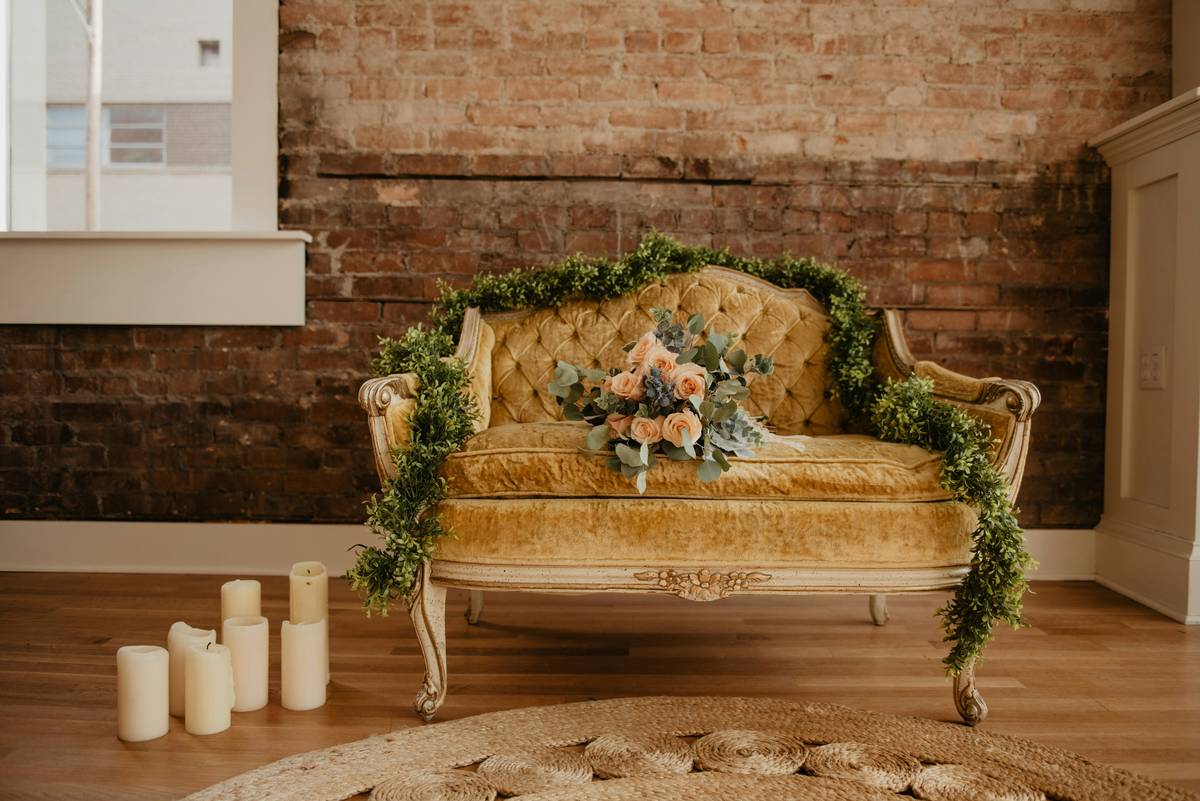
Let’s clear the air: a love seat isn’t just a couch with heart-shaped throw pillows. Historically, the term dates back to 17th-century France, where “fauteuils en confidante”—two chairs joined by a shared armrest—allowed aristocrats to lean in and whisper sweet nothings (or scandalous gossip). By the Victorian era, the two-seater became a parlor staple for courting couples—hence the enduring “love” association.
Today, the modern love seat is defined by function, not flirtation. According to the Furniture History Institute, a standard love seat spans 48 to 72 inches in width, with a depth of 30–38 inches—significantly smaller than a three-seater sofa (which averages 84+ inches wide).
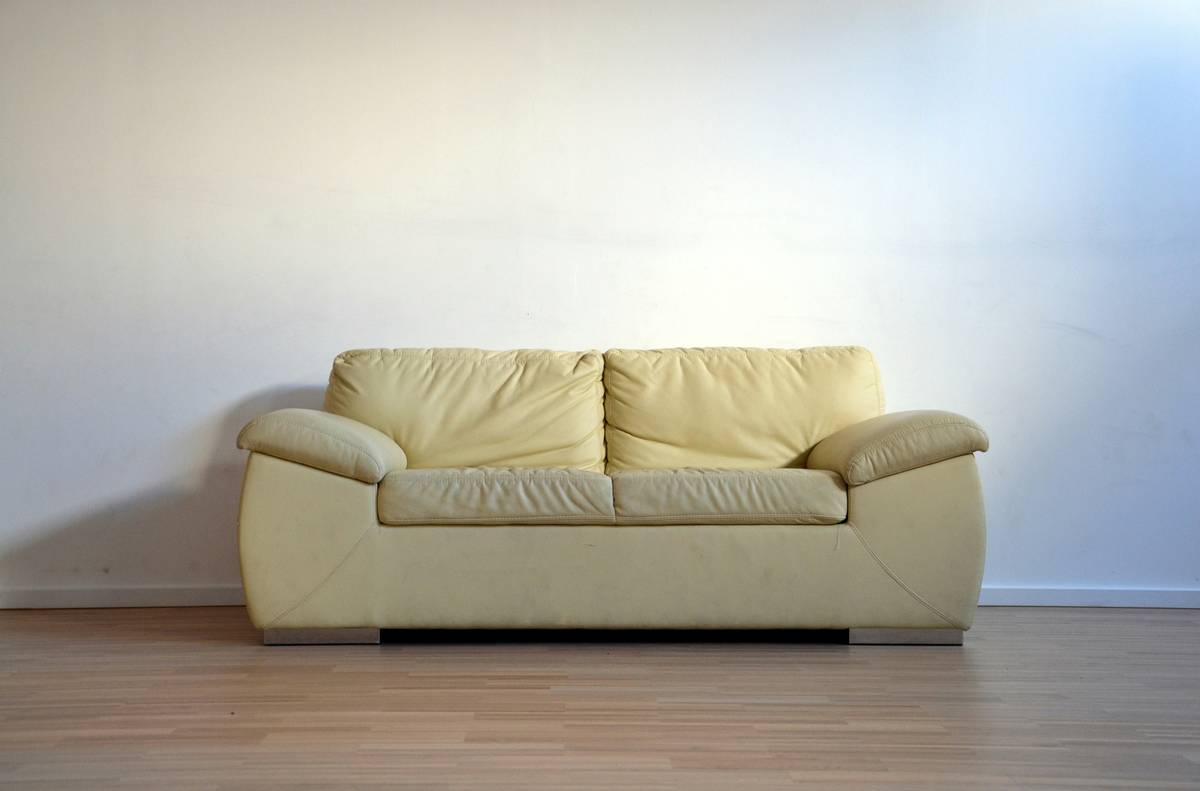
Here’s the kicker: I once bought a “compact” love seat online without checking depth. It arrived looking like a loveseat… until it blocked my hallway like a plush roadblock. Lesson learned: always measure twice, sit once.
Optimist You:
“Love seats add charm and functionality!”
Grumpy You:
“Ugh, fine—but only if it doesn’t eat my floor space like a hungry raccoon.”
How to Choose the Perfect Love Seat
Picking a love seat isn’t just about matching your throw blanket. It’s about physics, lifestyle, and a little spatial intuition.
Step 1: Measure Your Space (Seriously, Do This)
Clear your intended spot. Measure width, depth, and ceiling height (for tall-back styles). Leave at least 18 inches of clearance on all sides for walkways. Pro tip: tape out the footprint on your floor with painter’s tape—you’ll “see” the furniture before it arrives.
Step 2: Match Style to Your Aesthetic
Love seats come in key styles:
- Mid-Century Modern: Tapered legs, clean lines, bold colors (think Eames-era).
- Chesterfield: Deep button tufting, rolled arms, leather or velvet.
- Contemporary: Low profile, minimal arms, neutral fabrics.
- Retro/Vintage: Curved silhouettes, chrome legs, bouclé fabric.
I recently furnished a Brooklyn brownstone guest nook with a burnt-orange bouclé love seat—total vibe upgrade, zero regrets.
Step 3: Prioritize Frame & Cushion Quality
Kiln-dried hardwood frames resist warping. High-resiliency foam cushions (look for >2.0 lb density) hold shape longer than polyester fiberfill. Skip anything labeled “assembled with staples”—dovetail or corner-block joinery lasts decades.
Best Practices for Styling a Love Seat
Don’t just plop it down and call it a day. Make it *work*.
- Float it, don’t shove it: Place love seats away from walls in open-concept rooms to define zones.
- Pair with a narrow console: A slim table (12–16″ deep) behind it adds storage without crowding.
- Use lighting intentionally: A floor lamp beside it creates a reading nook instantly.
- Mix textures: Pair velvet upholstery with a wool throw and linen pillows for depth.
- Avoid symmetry overload: If your room has matching armchairs, choose a contrasting love seat color to avoid “catalog showroom” energy.
⚠️ Terrible Tip Alert:
“Just buy the cheapest love seat on Amazon—it’s only temporary.” Nope. Cheap frames sag in months. Temporary seating becomes permanent clutter. Invest in quality or rent.
Real Love Seat Success Stories
In 2023, interior designer Lena Cho transformed a 550-sq-ft San Francisco studio by replacing a bulky futon with a 60-inch emerald-green velvet love seat. Result? The client gained 9 square feet of usable floor space—and Instagrammable vibes that landed her in Dwell.
Similarly, my own NYC apartment (a shoebox with personality) uses a modular love seat in the entryway-turned-office. During Zoom calls, it doubles as extra seating for guests (yes, we still have those). Before: cramped chaos. After: calm, curated, and caffeinated.
According to a 2024 survey by IBISWorld, sales of compact seating—including love seats—rose 12% YoY, driven by urban micro-living trends and remote work setups needing flexible furniture.
FAQ: What Are Love Seats?
Are love seats only for couples?
Nope! Despite the romantic name, they’re ideal for solo loungers, pet snugglers, or as accent seating. Think “two-person capacity,” not “mandatory cuddle zone.”
How big is a standard love seat?
Width: 48–72 inches. Depth: 30–38 inches. Height: 30–36 inches. Always check specs—brands vary wildly.
Can a love seat replace a sofa?
In studios or 1-bedroom apartments, absolutely. In larger homes, it’s best as supplemental seating in dens, bedrooms, or hallways.
What’s the difference between a loveseat and a settee?
Historically, settees are more formal with upholstered backs and arms, often used in entries. Modern usage blurs the line—but “settee” leans traditional, “loveseat” leans casual.
How much should I spend on a love seat?
Budget: $300–$600 (IKEA, Article). Mid-range: $800–$1,500 (West Elm, Joybird). Luxury: $2,000+ (Restoration Hardware, custom makers). Aim for 5+ years of use—cost-per-use matters.
Conclusion
So—what are love seats? They’re not relics. Not just for romantics. They’re smart, stylish, space-saving heroes for modern living. Whether you’re in a studio apartment, crafting a reading corner, or adding flair to a larger room, a well-chosen love seat delivers form, function, and serious cozy cred.
Remember: measure first, prioritize build quality, and don’t let the name fool you. This is furniture that works hard so you can lounge harder.
And if all else fails? At least your cat will approve.
Like a Tamagotchi, your living room needs daily care—except instead of beeps, it whispers, “Add a love seat.”