Ever rearranged your entire living room just to fit a “perfectly sized” sofa—only to realize it swallowed your space whole and still left your partner perched on the edge like they’re guarding a tiny throne? Yeah. We’ve all been there.
If you’re navigating small spaces, studio apartments, or that awkward nook begging for intimacy (not another plant), a love seat for two isn’t just furniture—it’s strategic design magic. In this guide, you’ll discover how to pick a love seat that balances comfort, style, and functionality without sacrificing square footage. You’ll learn the hidden dimensions retailers won’t tell you, spot red flags in fabric choices, and see real-world examples of love seats transforming cramped corners into conversation zones.
Table of Contents
- Why Love Seats Are the Underdog Hero of Small Spaces
- How to Choose the Perfect Love Seat for Two (Step-by-Step)
- 5 Non-Negotiable Tips for Buying a Love Seat That Lasts
- Real-Life Case Study: How a Love Seat Saved This Brooklyn Studio
- FAQs About Love Seats
Key Takeaways
- A true “love seat for two” measures 48–60 inches wide—not the 72-inch “twin sofas” masquerading as love seats.
- Depth matters more than width: Look for 32–36 inches deep for optimal comfort without crowding.
- Kiln-dried hardwood frames + 8-way hand-tied springs = longevity (avoid particleboard at all costs).
- Performance fabrics like Crypton® or Sunbrella® resist stains and pet hair—ideal for real life.
- Scale your love seat to your space: Measure doorway access, hallway turns, and traffic flow before buying.
Why Love Seats Are the Underdog Hero of Small Spaces
Let’s be honest: Most people think love seats are just mini sofas for dollhouses or dated Victorian parlors. But in today’s reality—where the average U.S. apartment is shrinking (down to 941 sq ft in 2023, per U.S. Census data)—the love seat is staging a quiet revolution.
I learned this the hard way when I tried cramming a 90-inch sectional into my 600-square-foot Chicago loft. My partner couldn’t walk past without doing a sideways shuffle, and “movie night” meant one of us sat on the floor. After swapping in a 54-inch love seat with tapered legs and floating arms? Instant airflow. Better conversation. And yes—even actual cuddling (without elbow wars).
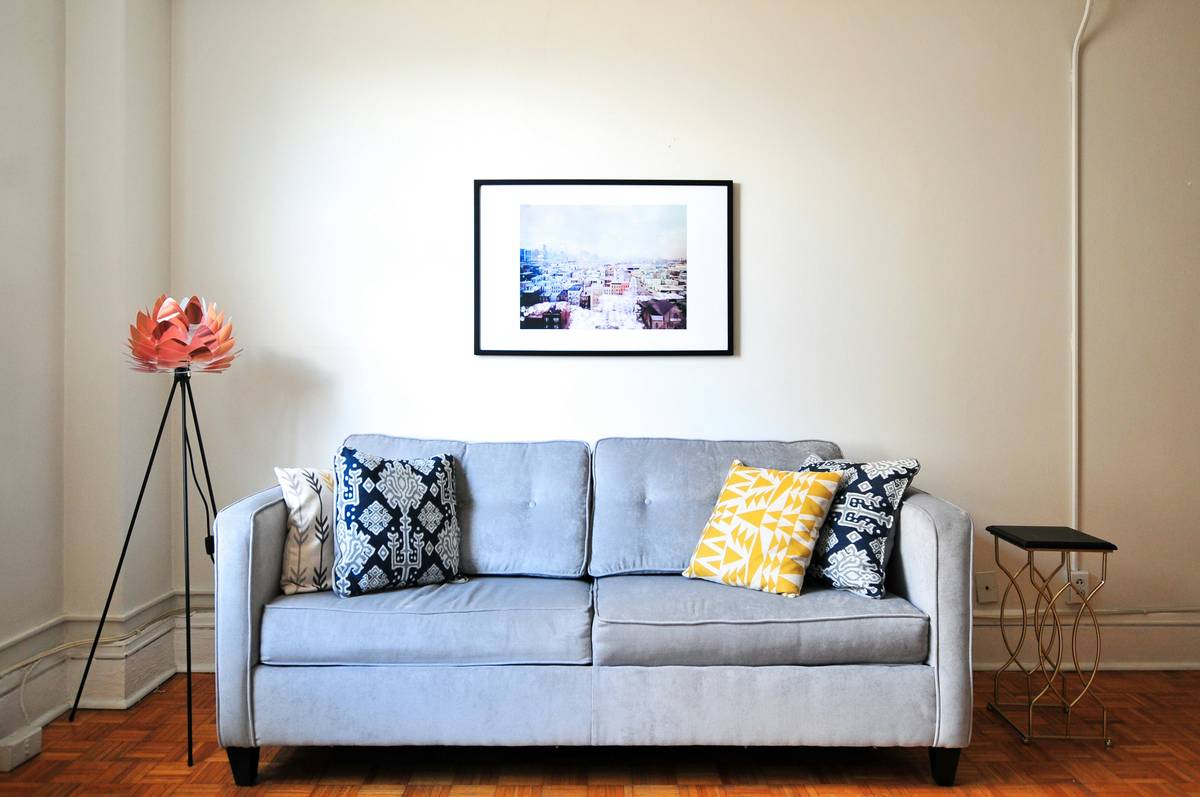
The key insight? A love seat isn’t defined by looks—it’s defined by function. If two adults can’t sit comfortably shoulder-to-shoulder without knees bumping or arms dangling off edges, it’s not a love seat for two. It’s a marketing trap.
How to Choose the Perfect Love Seat for Two (Step-by-Step)
What dimensions actually make a “love seat for two”?
Optimist You: “Just pick something cute!”
Grumpy You: “Cute won’t save you when your $1,200 ‘love seat’ blocks the radiator and measures 70 inches. Measure first.”
Industry standards (per the American Home Furnishings Alliance) define a true love seat as:
- Width: 48–60 inches (any wider = loveseat imposter)
- Depth: 32–36 inches (measured front to back)
- Seat Height: 16–19 inches (aligns with standard coffee tables)
- Clearance: Allow 18–24 inches behind for walking space
Which frame and cushion construction will survive real life?
I once bought a love seat with “memory foam” cushions from a trendy DTC brand. After six months? Pancake-flat. My terrier treated it like a chew toy. Lesson learned: Construction trumps aesthetics.
Here’s what to demand:
- Frame: Kiln-dried hardwood (oak, maple, or beech)—never particleboard or MDF.
- Joinery: Corner-blocked with dowels + screws (not just staples).
- Support: 8-way hand-tied springs > sinuous springs > webbing.
- Cushions: High-resiliency foam (1.8+ density) wrapped in down alternative for recovery.
What style actually fits your space (and lifestyle)?
Mid-century modern? Chesterfield? Tuxedo? Don’t chase trends—match your architecture and habits.
- Apartment dwellers: Go leggy (exposed wood/metal legs)—creates visual lightness.
- Pet owners: Avoid velvet or loose-weave linen; opt for tight-weave performance fabric.
- Small rooms: Armless or rolled-arm styles reduce visual bulk.
5 Non-Negotiable Tips for Buying a Love Seat That Lasts
- Test the sit—not just the showroom. Sit for 5+ minutes. Do your knees hit the front edge? Does your lower back sink unnaturally? Real comfort reveals itself over time.
- Check the fabric rub count. Anything under 15,000 double rubs (Martindale test) won’t survive daily use. Aim for 30,000+ for households with kids/pets.
- Verify delivery logistics. Will it fit through your stairwell? Ask for exact packaged dimensions—many “apartment-sized” love seats arrive in crates wider than doorways.
- Ignore “free assembly” claims. True quality love seats ship fully assembled. Flat-packs often mean flimsy joints.
- Read the warranty fine print. A 1-year “frame warranty” that excludes joinery is worthless. Demand 5+ years on frame/springs.
Terrible Tip Disclaimer: “Just get the cheapest one online—it’s only for two people!” Nope. Cheap frames warp, cushions compress, and you’ll replace it in 18 months. Spend smart once.
Rant Time: Why “Loveseat” Is the Most Abused Word in Furniture
Brands slap “loveseat” on anything under 7 feet now. Newsflash: A 72-inch sofa isn’t a love seat—it’s a compact three-seater! This bait-and-switch wastes your time, money, and precious square footage. Demand honesty in labeling. (Looking at you, big-box retailers.)
Real-Life Case Study: How a Love Seat Saved This Brooklyn Studio
Sarah K., a freelance designer in Williamsburg, inherited a 500-sq-ft railroad apartment with zero natural seating zones. Her solution? A Joybird Emerald Love Seat (54” W x 34” D).
The before: She used dining chairs for guests—awkward, uncomfortable, and killed her workflow.
The after: The love seat anchored her sleeping/living zone, left 36” clearance for walking, and its performance velvet repelled coffee spills during client Zooms. Bonus: Its light oak legs matched her vintage desk.
Her verdict: “It’s the only piece I didn’t have to rearrange three times. Finally feels like home.”
FAQs About Love Seats
Is a love seat for two the same as a two-seater sofa?
Not necessarily. “Two-seater” implies seating capacity but says nothing about dimensions. Always check measurements—many two-seaters exceed 60” wide.
Can two adults really fit comfortably?
Yes—if it’s a true 54–60” model with 20”+ seat depth. Avoid styles with bulky arms that steal seating space.
What’s the best fabric for a love seat with pets?
Crypton®, Sunbrella®, or tightly woven microfiber (30,000+ rub count). Avoid velvet, chenille, or linen—they snag and show hair.
How much should I spend on a quality love seat?
$800–$1,800 is the sweet spot for kiln-dried hardwood frames and performance fabrics. Below $600 usually means engineered wood and low-density foam.
Do love seats work in open-concept layouts?
Absolutely. Use them to define zones—e.g., place perpendicular to a sofa to create a conversation pit without blocking sightlines.
Conclusion
A love seat for two isn’t just about saving space—it’s about reclaiming comfort, connection, and intentional design in a world of bloated furniture. By prioritizing true dimensions (48–60” wide!), solid construction, and lifestyle-aligned fabrics, you’ll avoid the #1 mistake: buying a sofa in disguise. Measure twice, sit once, and choose a piece that invites closeness—not compromise.
Like a Tamagotchi, your seating choice needs daily care—except this one doesn’t beep angrily when you forget. Probably.
Tiny couch, big hugs—
Fits two souls and morning light,
No elbows poking.